

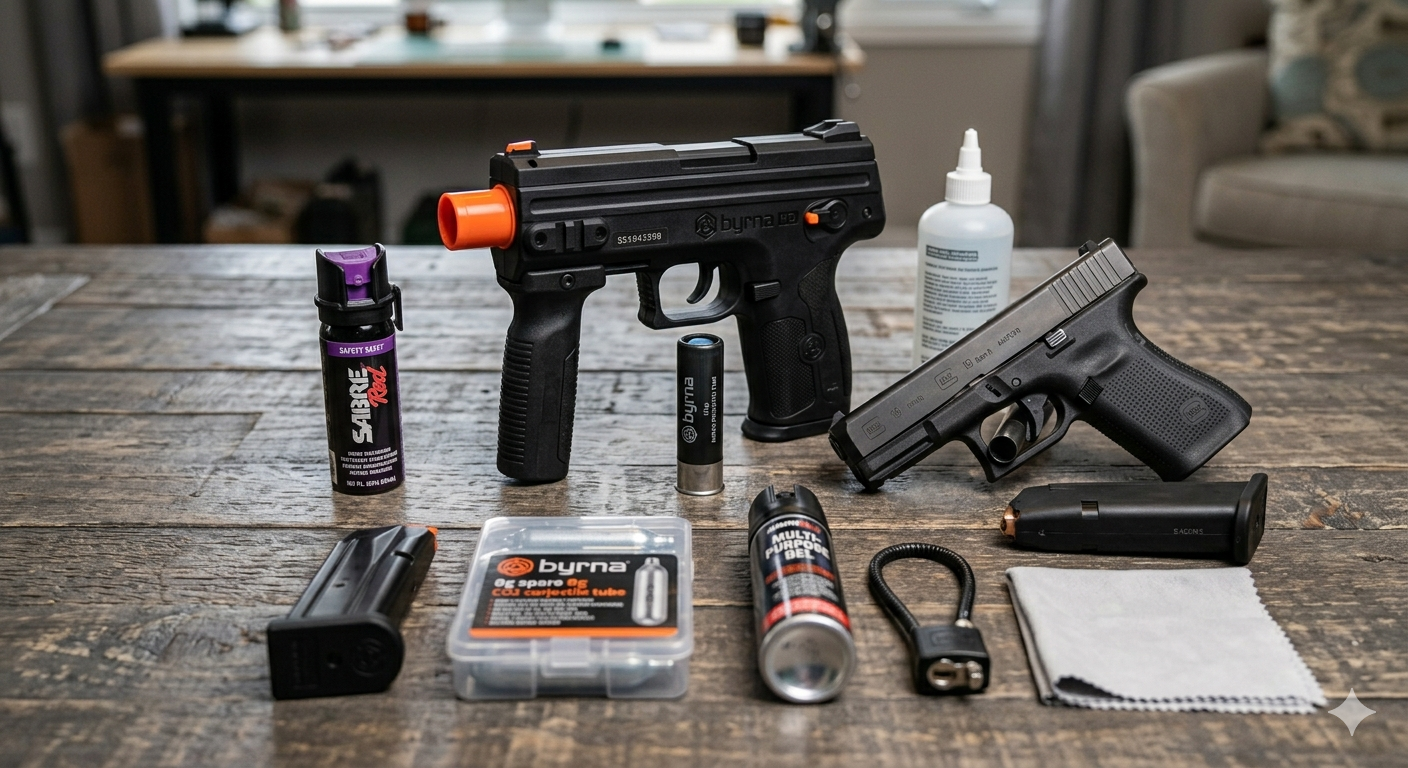
This is one of the most important and most poorly handled questions in home defense: Do I need a gun, or is a non-lethal option enough?
You’ll get strident answers in both directions. Online firearms communities often dismiss non-lethal options as inadequate. Anti-gun perspectives suggest non-lethal alternatives replace firearms entirely. Both views are wrong, and both will get someone hurt.
The honest framework: non-lethal and lethal firearms aren’t competitors. They’re different tools for different points in a defensive situation. Here’s how to think about which you need, when, and why almost every prepared homeowner should have access to both.
The Fundamental Confusion
The mistake most people make is treating “non-lethal vs. lethal” as a binary choice either you’re a “gun person” or a “non-lethal person.” That framing is wrong.
A more useful question: at what point in a defensive situation does each tool become appropriate?
This depends on three factors, in this order:
- The legal definition of justified force in your state
- The actual threat you’re facing
- Your training, ability, and certainty
Factor 1: When force is legally justified
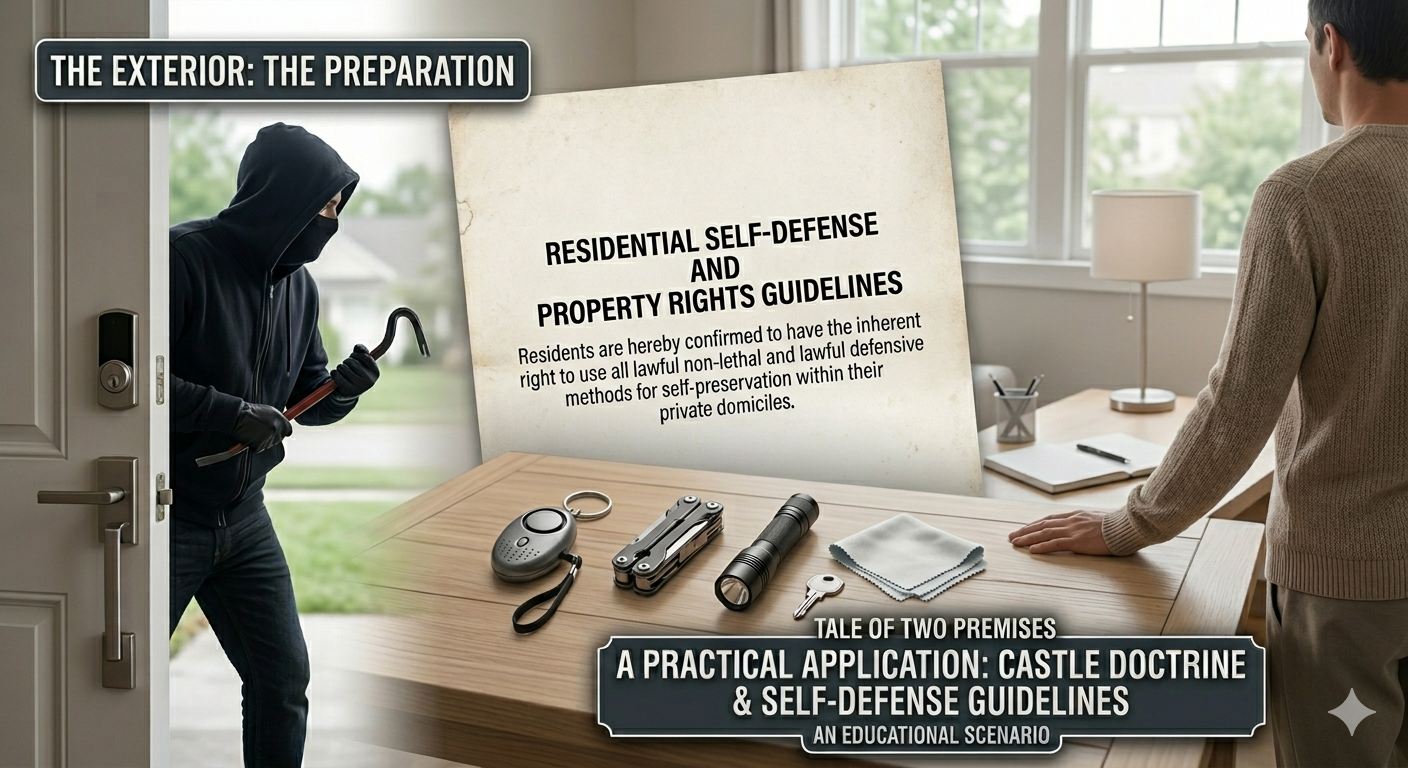
Disclaimer: This section is general information, not legal advice. Self-defense law varies dramatically by state. Consult a local attorney for specifics in your jurisdiction.
Across most U.S. states, the legal standard for using non-lethal force is “reasonable belief that force is necessary to prevent harm.” This is a lower bar.
The legal standard for lethal force is much higher generally requiring “reasonable belief of imminent death, serious bodily harm, or in some states, certain felonies in progress.” This is where Castle Doctrine, Stand Your Ground, and Duty to Retreat laws come into play.
The practical implication: non-lethal force can be used in situations where lethal force cannot. If someone is threatening you but hasn’t yet demonstrated lethal intent, deploying pepper spray or a Byrna might be legally justified where firing a handgun would not be.
This matters because the legal consequences of using lethal force when non-lethal would have been sufficient can be career-ending and life-altering even if you ultimately aren’t convicted.
The “force continuum” concept
Law enforcement training uses something called the force continuum. While civilian self-defense law doesn’t formally use it, the principles inform what’s considered reasonable:
- Officer presence (showing you’re armed/ready)
- Verbal commands (“Stop! Leave!”)
- Empty-hand control (physical force)
- Non-lethal force (pepper spray, Byrna, taser)
- Less-lethal weapons (impact tools)
- Lethal force (firearms)
The principle: use the minimum force necessary to stop the threat. A homeowner who skips to step 6 when steps 2–4 would have worked has serious legal exposure.
Factor 2: The actual threat you’re facing
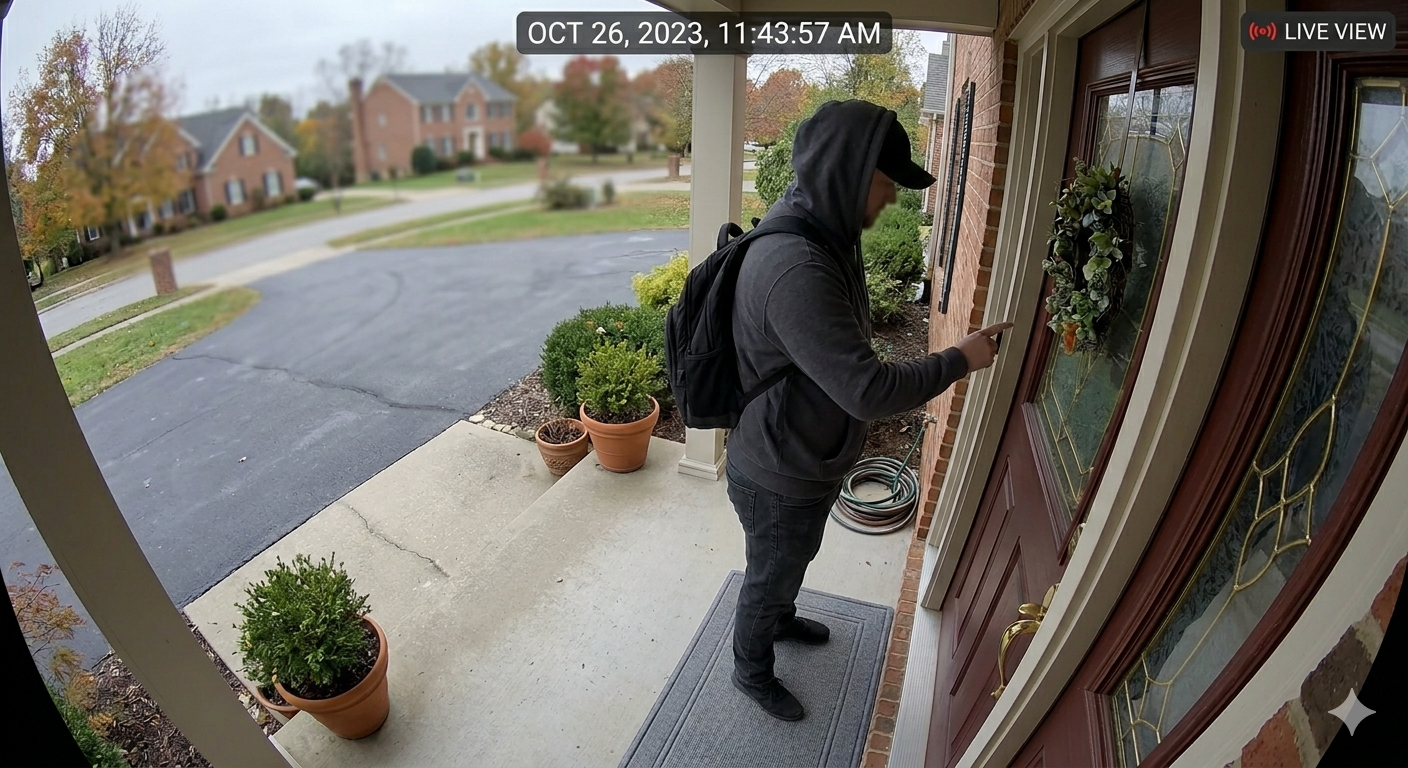
Not all defensive situations require the same response. Let me walk through realistic scenarios:
Scenario A: Unknown person at the door
You see someone unfamiliar through your peephole or doorbell camera. They might be lost, soliciting, or scouting your home. Appropriate response: verbal interaction through the door, refusal to open it, recorded video evidence. No force needed.
Scenario B: Someone trying to enter but not yet inside
A person is attempting to force a door or window and they haven’t reached you. Appropriate response: Call 911 immediately and issue a verbal warning (“I’ve called the police, and I’m armed”). If they continue and are entering: non-lethal options (Byrna, pepper spray) may be justified. Lethal force generally not yet, in most states.
Scenario C: Intruder inside your home, not yet confronting you
Someone has entered and you haven’t been seen. Appropriate response: Get to your safe room or family, call 911, prepare your defenses. Non-lethal becomes more appropriate. Some states’ Castle Doctrine laws would justify lethal force here; others wouldn’t.
Scenario D: Direct confrontation with active threat
An intruder is moving toward you, your family, or a child. They’ve demonstrated intent. Appropriate response: This is where lethal force is typically legally justified. Non-lethal may still be your first option if you can deploy it without risk, but you need the lethal option available.
Scenario E: Multiple intruders or visible weapons
Multiple armed intruders in your home. Appropriate response: Lethal force is generally justified immediately under most state laws. Non-lethal is typically inadequate against multiple armed attackers.
The pattern: as the threat escalates, your appropriate response escalates. Having both non-lethal and lethal options means you can respond proportionally rather than escalating to maximum force from the start.
Factor 3: Your training, ability, and certainty
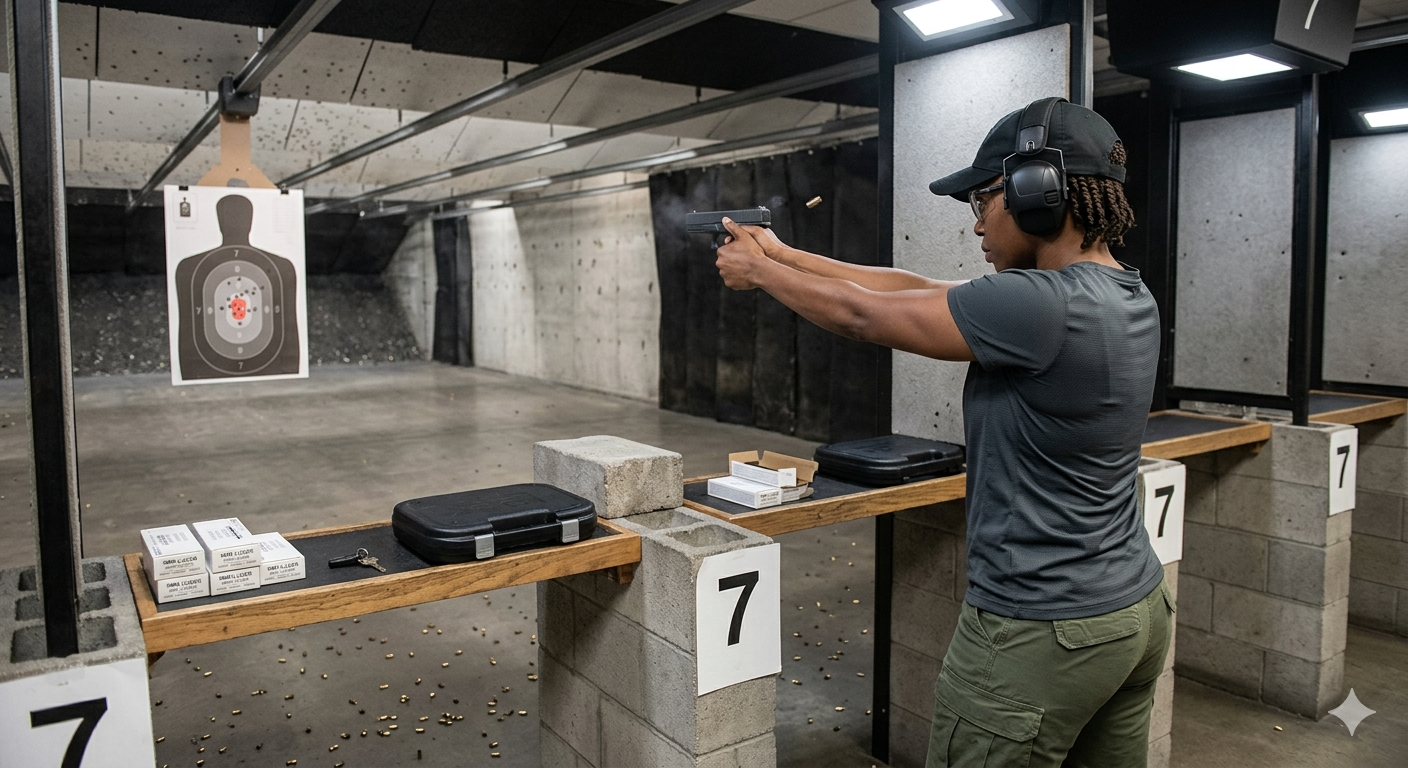
This is the most underrated factor and the one most people get wrong.
A firearm in the hands of someone untrained or uncertain isn’t an asset — it’s a liability. Statistics back this up: untrained homeowners often have their firearms taken from them during home invasions, miss in panic situations, hit family members or neighbors, or fail to deploy them at all.
Honest self-assessment questions:
- Have you fired your defensive firearm within the last 90 days?
- Can you reach it, ready it, and aim accurately in low light within 5 seconds?
- Do you know your state’s laws on justified use of force? (Specifically, not vaguely.)
- Do you have concealed carry insurance or a defensive attorney on retainer?
- Have you taken any defensive firearms training beyond a permit class?
If you answered no to most of these, non-lethal options might be more appropriate as your primary defense while you build up to firearms competency. There’s no shame in this. The shame is in owning a gun you can’t use, putting your family at risk because you skipped the training.
Non-lethal options in detail
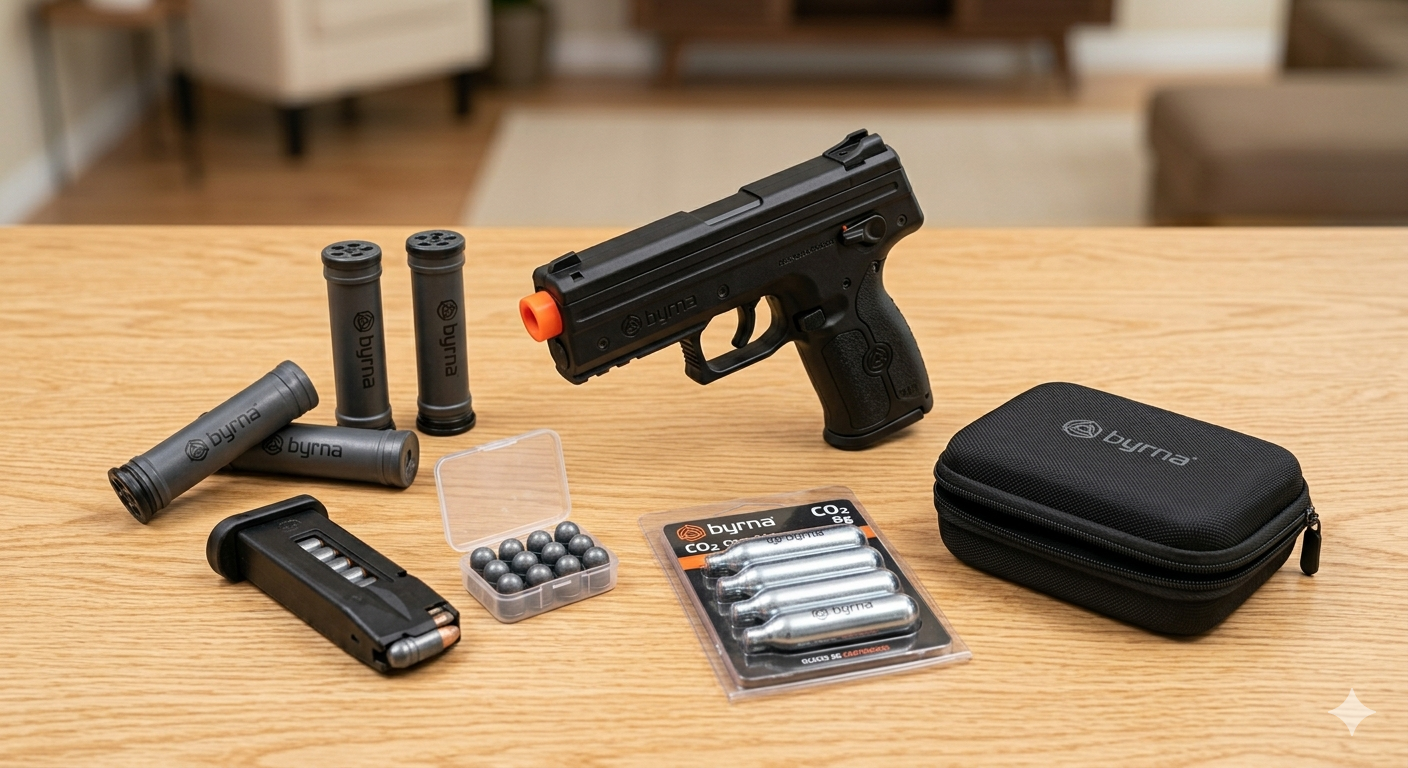
The major non-lethal categories worth knowing:
Pepper spray
Pros: Cheap ($15–30), legal in all 50 states, no permit required, effective at 6–10 feet, no risk of penetrating walls and hitting family/neighbors. Cons: Wind can blow it back at you, doesn’t work on everyone (especially intoxicated or extremely motivated attackers), requires close range. Best for: Home defense layer 3, vehicle defense, women’s self-defense, situations where lethal force isn’t justified.
Byrna launchers
Pros: Effective range 50–60 feet, fires both kinetic and chemical projectiles, no firearms license required in most states, very intimidating appearance. Cons: $400+ for system, larger than handheld options, projectiles can cause injury (it’s “less lethal,” not “non-lethal” still dangerous). Best for: Home defense layer 3, more capable than pepper spray for distance, good option for those who want intimidation effect without firearms.
Stun guns and tasers
Pros: Close-range effective, no projectile risk. Cons: Requires direct contact (or near-contact for tasers), legal in fewer states, single-use for most consumer tasers. Best for: Personal carry, less ideal for home defense than alternatives above.
Loud alarms and dogs
Pros: Often end intrusions before they start, no use-of-force issues. Cons: Don’t stop a determined intruder once they’ve started. Best for: Detection and deterrent layers should be in everyone’s plan.
When you do need a firearm
- Multiple intruders
- Armed intruders
- Intruders demonstrating intent to harm rather than just intent to steal
- Situations where non-lethal has been deployed and didn’t stop the threat
- Situations where you can’t safely deploy non-lethal (intruder already inside your room, etc.)
If you’re going to own a defensive firearm, three non-negotiables:
- Training. Not a one-time permit class. Ongoing, regular range time and ideally annual defensive training.
- Storage. Accessible to you, inaccessible to children or visitors. Quick-access safes are made for exactly this.
- Insurance. Concealed carry insurance (USCCA, US LawShield, CCW Safe, etc.) covers legal defense if you ever have to use the firearm defensively. This is not optional.
The honest recommendation when considering between non-lethal and lethal firearms-
For most prepared homeowners:
- Layer 3 (Non-lethal): Have pepper spray accessible. Consider a Byrna if you want capability between pepper spray and firearm.
- Layer 4 (Lethal): Own a firearm only if you’ll train with it. If you won’t train, the firearm is increasing your risk, not reducing it.
- Both layers, not one: Having non-lethal options doesn’t mean you’re “soft.” It means you have options that match the actual range of threats you might face.
The framework isn’t “pick one.” It’s “have the right tool for the situation.”
→ For specific product recommendations across both categories, see our complete layered defense guide.
Related reading:
What Consists of an Alarm System? — Building the detection layer full
What Is SHTF? — Defensive considerations in disruption scenarios
→ Looking for specific gear? See our tested products and our layered defense guide for what to do beyond preparedness.